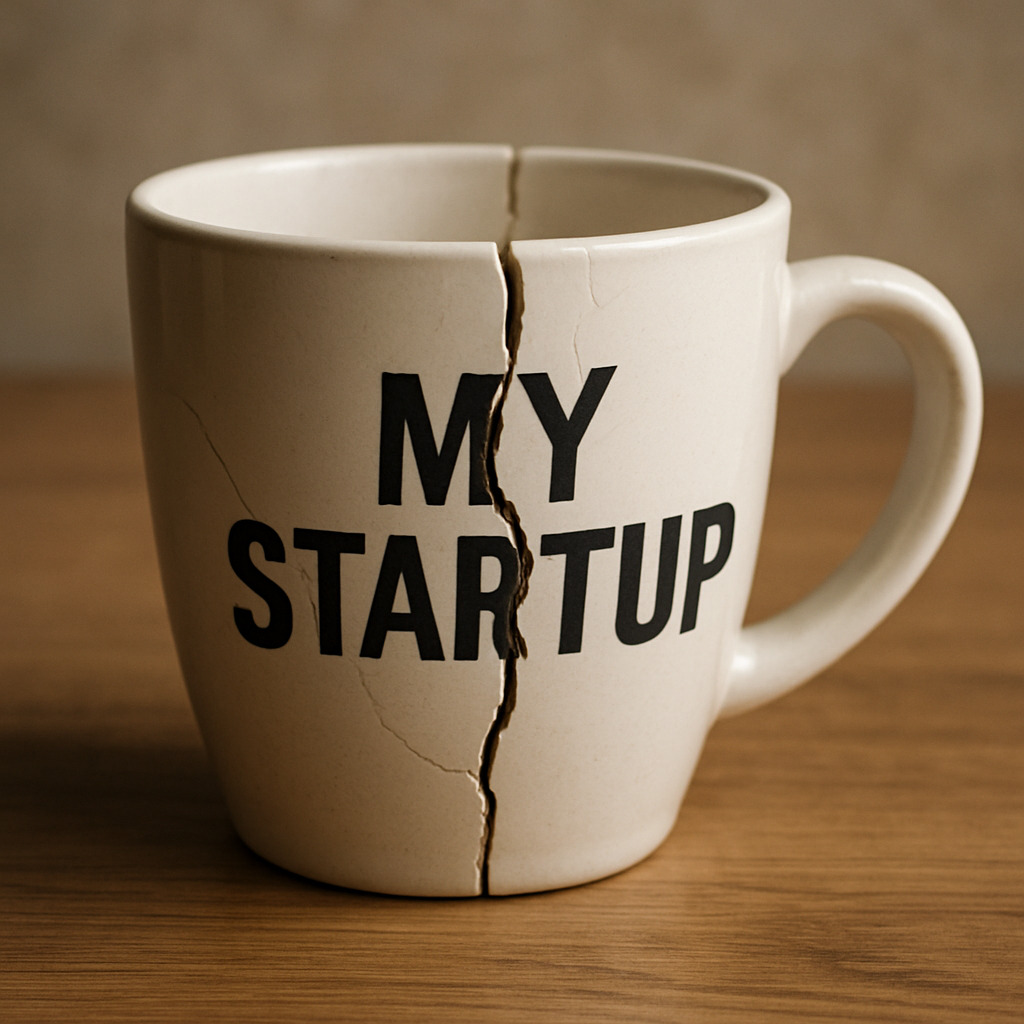
Let me tell you about an MVP launch that humbled me—in the best way.
We had clear specs, solid tech, and a motivated client. We moved fast and built exactly what was asked. The product worked beautifully. But something strange happened post-launch: users… just didn’t care.
No major bugs. No downtime. Just silence.
The Problem: Misaligned Scope = Missed Opportunity
The functionality was what we agreed on. The features made sense. But once it landed in the hands of real users, it became obvious—this wasn’t solving a real problem. It was what we thought users needed, not what they actually needed.
It wasn’t a code failure. It was a scope issue. And that made all the difference.
Prototype vs. MVP: A Line Worth Drawing
This experience taught me something I’ll never forget:
A prototype is a learning tool. An MVP is a value test.
A prototype says:
“Could this idea work?”
An MVP says:
“Does this solve a real problem well enough for someone to actually use it?”
What we shipped was more of a polished prototype than a true MVP. It looked like a product—but didn’t yet deliver value that users recognized or needed. That’s the danger of skipping validation and jumping straight into development based on assumptions.
The Fix: Redefining MVP Around Real Users
To course-correct, we regrouped with the client and revisited the scope—this time with a sharper focus on user problems.
We asked:
- What’s the one thing this product must do well?
- Which features support actual user goals?
- What can we remove without breaking that core value?
The result? A lighter, more focused MVP. And this time, users responded—clearly, and positively.
Best Practices: What I Learned (the Hard Way)
- Don’t skip validation. Even a quick prototype can help spot misalignments early.
- Define viability through user outcomes. Not just functionality.
- Keep scope collaborative and flexible. Clients bring the vision, users bring the truth.
An MVP for Startup Success Needs More Than Code
If you’re building an MVP for startup clients—or your own project—remember: getting the functionality right means getting the scope right. Fast dev cycles and working features are great, but without user-fit, they won’t matter.
Prototype to explore. MVP to deliver. Scope carefully—and build smart.


Leave a Reply